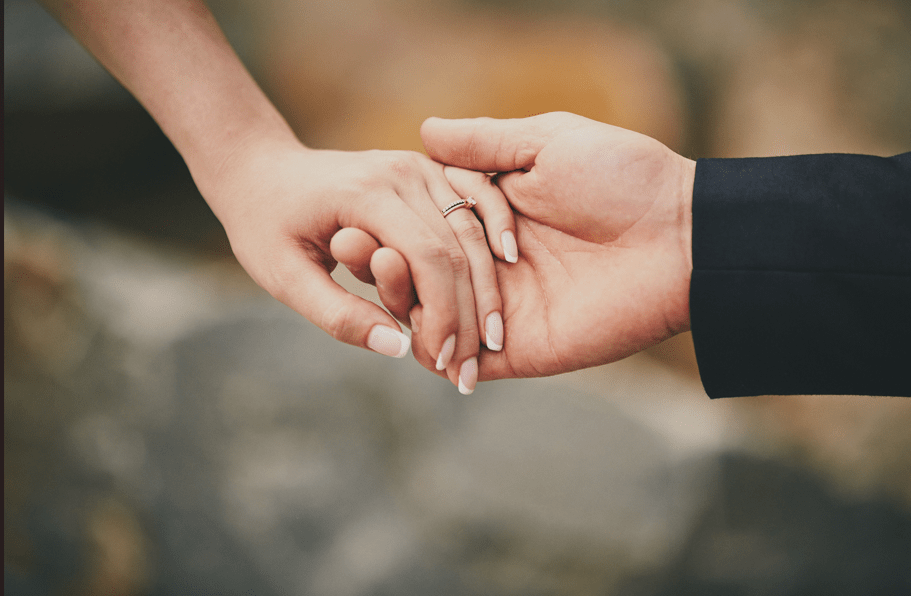
Getting down on one knee is one of the most significant moments of your life. The ring you choose to mark that moment should feel just as meaningful — but the path to finding it doesn’t have to be overwhelming or financially stressful. With the right approach, a little patience, and some honest planning, you can find a ring that genuinely reflects your relationship without compromising your financial footing.
Start With What She Actually Wants
Before you set a budget or walk into a single store, spend some time paying attention. Most people drop hints about their style far more often than their partners realize. Does she gravitate toward vintage pieces or clean modern lines? Does she prefer understated elegance or something with more presence? Does she wear a lot of jewelry already, and if so, what does it look like?
If you have a trusted friend or family member close to her, this is the moment to bring them in. A quiet conversation with her sister or best friend can yield more useful information than months of guessing. You can also browse her saved posts on social media or notice what she pauses on in shop windows. These observations cost nothing and are worth everything when it comes to choosing something she’ll wear every day for the rest of her life.
Understand the Difference Between Price and Value
One of the most common misconceptions in engagement ring shopping is that a higher price automatically means a better ring. It doesn’t. Value in fine jewelry comes from the quality of the materials and the skill of the craftsmanship — not from a markup applied to a recognizable brand name.
A well-cut stone in a beautifully constructed setting will outshine a poorly cut stone of greater size every time. Learning to evaluate quality on its own terms, rather than through price tags alone, is one of the most empowering things you can do as a buyer. Ask questions about cut, clarity, color, and carat weight. Ask how the setting is constructed and what metal is used. A jeweler who welcomes those questions — and answers them honestly — is one you can trust.
Set a Budget That Reflects Your Real Life
There is an old piece of conventional wisdom that suggests a buyer should spend a specific number of months’ salary on an engagement ring. That advice was invented by a marketing campaign decades ago and has no basis in financial reality or romantic necessity. Ignore it completely.
The right budget is the one that lets you give her a ring she’ll love while keeping you both on stable financial ground as you begin building a life together. Starting an engagement — and eventually a marriage — under the weight of unnecessary debt is a burden that can follow you for years. Be honest with yourself about what you can comfortably spend, and then shop smartly within that number.
Diamond Engagement Rings: What You Need to Know
For many couples, a diamond remains the centerpiece of choice, and it’s worth understanding how the diamond market works before you start comparing stones. Diamonds are graded on four key characteristics: cut, color, clarity, and carat weight. Of these, cut is widely considered the most important, because it determines how much light the stone reflects and how brilliant it appears to the eye. A well-cut diamond will look more alive and radiant than a larger stone with a poor cut.
Color grading measures how colorless a diamond is, with the most colorless stones being the rarest and most expensive. However, the difference between grades that are close together is often invisible to the naked eye, and choosing a stone slightly lower on the color scale can free up a meaningful budget without any visible compromise. Clarity refers to the presence of natural inclusions or blemishes within the stone — again, many inclusions are invisible without magnification, and choosing a stone with minor inclusions that can’t be seen with the naked eye is a smart way to prioritize cut and size instead.
Carat weight is simply a measure of size, and it’s the characteristic most people default to when comparing stones. Resist the temptation to prioritize carat weight above everything else. A smaller diamond with exceptional cut will consistently outperform a larger diamond that was cut to preserve weight at the expense of brilliance.
When shopping for diamond engagement rings, ask to see stones in natural light as well as store lighting. Request the grading certificate for any stone you seriously consider. And take your time — a reputable jeweler will never pressure you to decide before you’re ready.
Explore Alternative Center Stones
Diamonds are beautiful, but they are far from the only option. Sapphires, emeralds, rubies, and morganite have all experienced significant popularity in recent years, and for good reason. They offer striking color, genuine durability, and in many cases a more distinctive look than a traditional solitaire diamond.
Lab‑grown diamonds deserve serious consideration. They match mined diamonds in chemical makeup and optical performance, carry identical grading standards, and are often available at a much lower price point.The choice between a mined and lab-grown stone is ultimately a personal one, but it’s worth having the conversation rather than assuming one path without exploring both.
How Credit Unions Can Help You Finance the Ring
If you decide to finance part or all of the purchase, where you borrow matters as much as how much you borrow. Many buyers default to retailer financing or major credit cards without realizing there is often a significantly better option available to them: credit unions.
Credit unions are member-owned financial institutions, which means they operate in the interest of their members rather than outside shareholders. This structure typically translates into lower interest rates on personal loans, more flexible repayment terms, and a genuinely different kind of customer experience. Where a large bank or retailer financing plan may carry high interest rates or deferred interest traps — where the full accumulated interest hits if you don’t pay the balance in full within a promotional period — a credit union personal loan tends to be straightforward and transparent.
If you’re already a member of a credit union, speak with them before exploring any other financing option. If you’re not a member, it’s worth checking eligibility. Many credit unions serve geographic areas, specific employers, or professional communities, and membership is often easier to obtain than people assume. The interest savings on a personal loan from a credit union versus a retail financing plan can be substantial over the life of the loan — money that is far better directed toward your future together.
Take the Long View on the Purchase
An engagement ring is not a transaction to rush. Give yourself enough time to shop without pressure, to compare options, and to sit with a choice before committing to it. A good jeweler will support that process rather than resist it.
Consider having the stone and setting appraised independently after purchase, and make sure the ring is insured before it leaves the store. A ring that means this much to your relationship deserves the protection that proper coverage provides.
The Ring Is a Beginning, Not an Endpoint
At the heart of all of this planning is a simple truth: the ring is a symbol, not a measure. What she will remember most is not the carat weight or the retail price. She will remember how it felt to say yes, the look on your face, and the life that began in that moment. Plan thoughtfully, spend wisely, and let the ring reflect your care — because that care is what will matter most, long after the moment itself has passed.
 Her Campus